What is Augmented Reality? A Complete Beginner's Guide
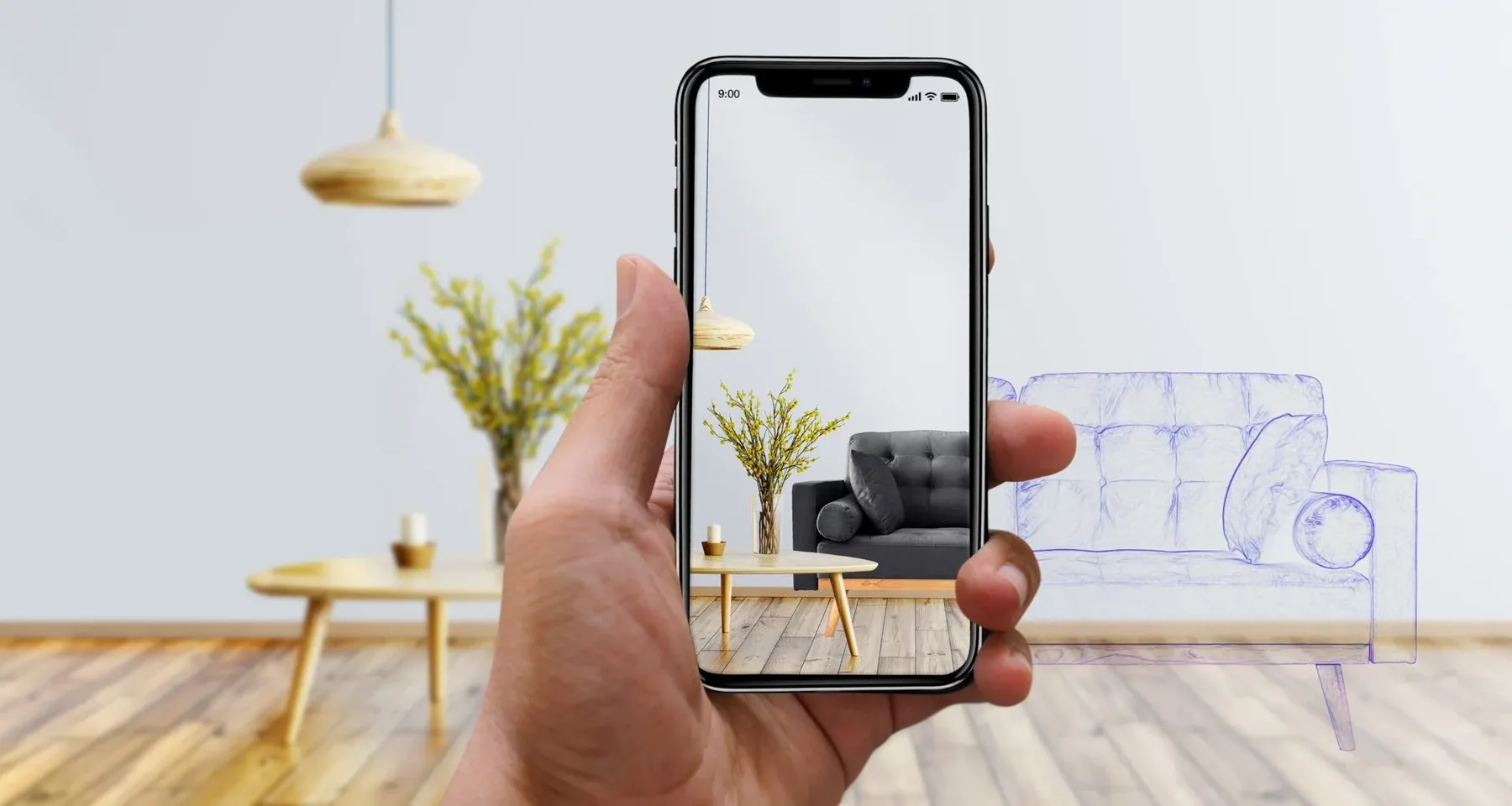
What is Augmented Reality?
Augmented reality -- or AR (Augmented Reality) as it is commonly abbreviated -- is a computer technology that enables users to interact with virtual objects while maintaining a strong connection to the real world. The core purpose of AR is to enhance human perception of reality by seamlessly blending digital elements into the physical environment.
Although this widely discussed technology is still relatively new in our daily lives, it has been rapidly adopted and is increasingly preferred across many industries. In fact, as hundreds of companies discover AR each year, thousands of different AR applications continue to emerge. As a result, the number of users engaging with this technology grows steadily every day. Perhaps most importantly, AR has begun to fundamentally reshape user experiences across the board.
How Does Augmented Reality Work?
At its core, AR works by overlaying computer-generated content -- such as images, text, sounds, or 3D models -- onto a user's view of the real world. This is typically achieved through a smartphone camera, tablet, or specialized AR headset. The device's sensors, camera, and software work together to detect the physical environment, calculate the correct placement of virtual objects, and render them in real time so they appear to coexist with the real world.
There are several types of AR experiences:
- Marker-based AR: Uses a visual marker (like a QR code or image) to trigger and position digital content.
- Markerless AR: Relies on GPS, accelerometers, and device sensors to place virtual objects in the real environment without a specific trigger image.
- Projection-based AR: Projects digital light onto physical surfaces to create interactive displays.
- Superimposition-based AR: Replaces part of the real-world view with a digitally enhanced version of the same object.
Augmented Reality: Real-World Examples
AR technology has had a particularly significant impact on user experiences in the gaming and commerce sectors, but its applications extend far beyond these industries.
The Furniture Industry: The IKEA Example
The furniture industry is one of the best fields to look at when exploring real-world AR applications. In this regard, it is entirely fair to say that IKEA Place is one of the most well-known AR applications to date. Through the app, users can freely reposition, rotate, and move furniture products however they wish. This allows them to see how the furniture would fit into their surroundings, while also getting a sense of scale by comparing furniture dimensions to other objects already in the room. Moreover, IKEA has reported a significant increase in online sales thanks to its investment in AR technology.
Gaming and Entertainment
One of the most famous examples of AR in entertainment is Pokemon Go, the mobile game that took the world by storm. By using a smartphone's camera and GPS, the game places virtual creatures in real-world locations, encouraging players to explore their physical surroundings. This demonstrated the massive mainstream potential of AR technology and opened the door for countless other AR-powered games and experiences.
Education and Training
AR is also transforming how we learn. Medical students can use AR to visualize anatomy in three dimensions, engineers can overlay digital schematics onto physical machinery for maintenance, and schoolchildren can bring textbook illustrations to life. By adding an interactive, spatial layer to information, AR makes complex subjects more intuitive and engaging.
Navigation and Wayfinding
AR-powered navigation apps overlay directional arrows and labels onto a live camera view, making it far easier to find your way through unfamiliar streets, airports, or shopping malls. Google Maps Live View is a well-known example of this capability, turning your smartphone into a real-time, AR-enhanced compass.
AR vs. VR: What is the Difference?
While augmented reality and virtual reality (VR) are often mentioned together, they serve fundamentally different purposes. VR creates a fully immersive digital environment that replaces the real world entirely -- typically through a headset that blocks out your physical surroundings. AR, on the other hand, enhances the real world by adding digital layers on top of what you already see.
In short, VR takes you to a different world, while AR brings digital content into your existing world. Both technologies have exciting applications, but AR's ability to blend seamlessly with everyday life gives it unique advantages in areas like e-commerce, navigation, and education.
The Future of Augmented Reality
As AR hardware becomes more compact and software more sophisticated, the technology is poised to become an integral part of daily life. From lightweight AR glasses that replace smartphone screens to immersive shopping experiences where you can try before you buy, the possibilities are vast.
Businesses that embrace AR today are positioning themselves at the forefront of a technological revolution. Whether you are a retailer looking to boost conversions, an educator seeking more engaging teaching tools, or a developer building the next breakthrough app, augmented reality offers a powerful platform to create richer, more interactive experiences.
The AR journey is just getting started -- and the best is yet to come.