Web-Based Augmented Reality: The Future of User Experience
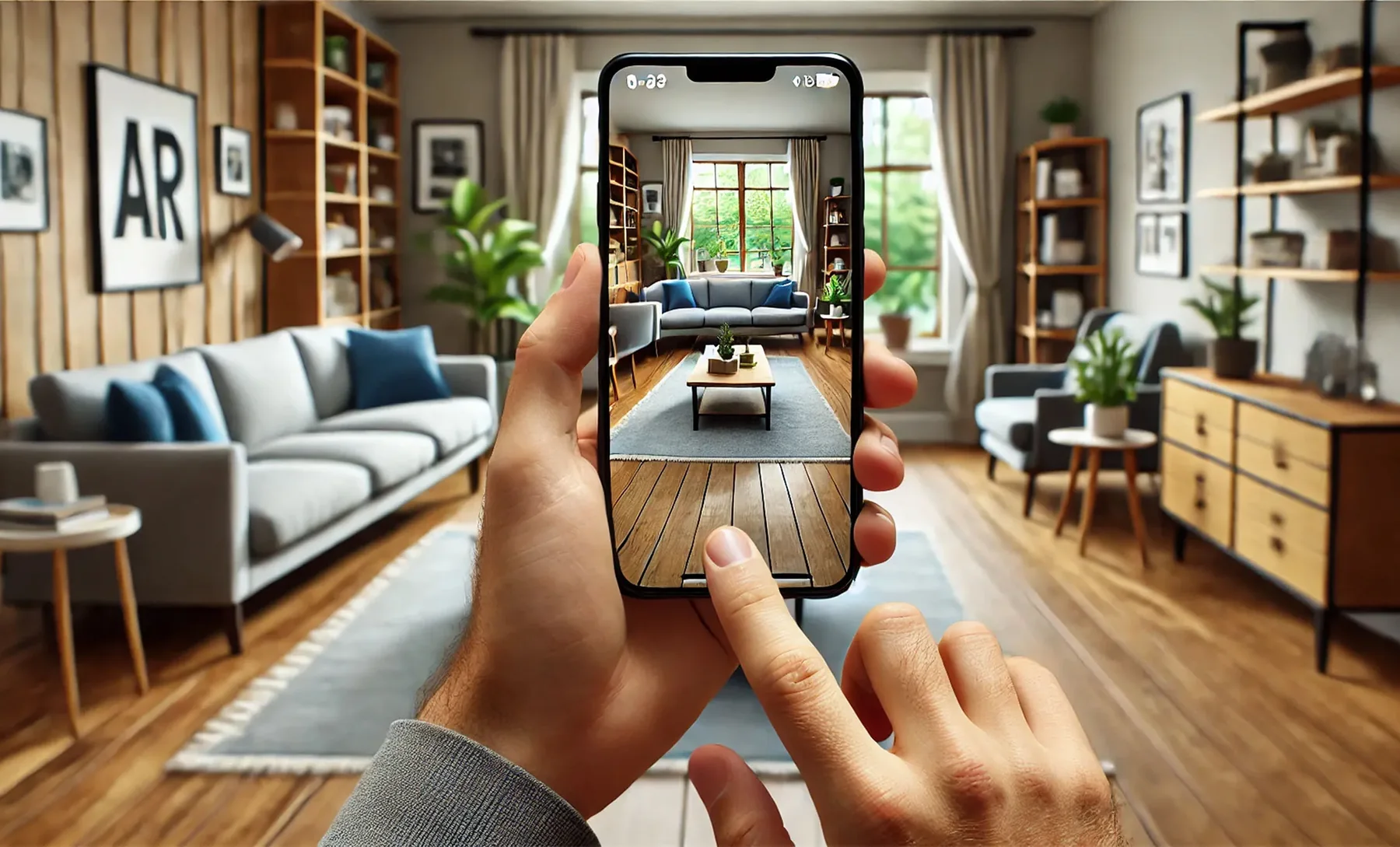
In today's rapidly evolving technological landscape, augmented reality (AR) stands out as one of the most innovative technologies redefining user experience. Web-based AR applications enable users to merge the digital and physical worlds seamlessly, while significantly boosting engagement and user participation levels. So how exactly is this technology transforming user experience and elevating interactivity to new heights? In this blog post, we explore these questions in depth.
What is Augmented Reality?
Augmented reality is a technology that overlays digital information and objects onto real-world imagery. AR enriches the world around users and encourages them to interact with digital content in their physical environment. Web-based AR applications, in particular, make it possible for users to enjoy this experience directly through their browsers, without needing to download any additional software.
This app-free approach is what makes WebAR so powerful. Through the use of deeplinks and QR codes, brands can instantly connect customers to immersive AR experiences with a single scan or tap. There is no app store visit, no installation wait, and no friction. A user simply opens a link in their mobile browser, and the AR experience launches immediately. This seamless access model dramatically lowers the barrier to entry and increases adoption rates across all demographics.
Web-Based AR and User Experience
Easy Access and Usability
Web-based AR applications allow users to experience augmented reality directly through their browsers, with absolutely no need to download an app. This means users can access AR experiences more quickly and effortlessly than ever before. A simple deeplink embedded in a website, email campaign, or social media post can transport users straight into an interactive AR session. Similarly, QR codes placed on product packaging, in-store displays, or print advertisements provide an instant gateway to AR content -- just scan and experience.
Real-Time Interaction
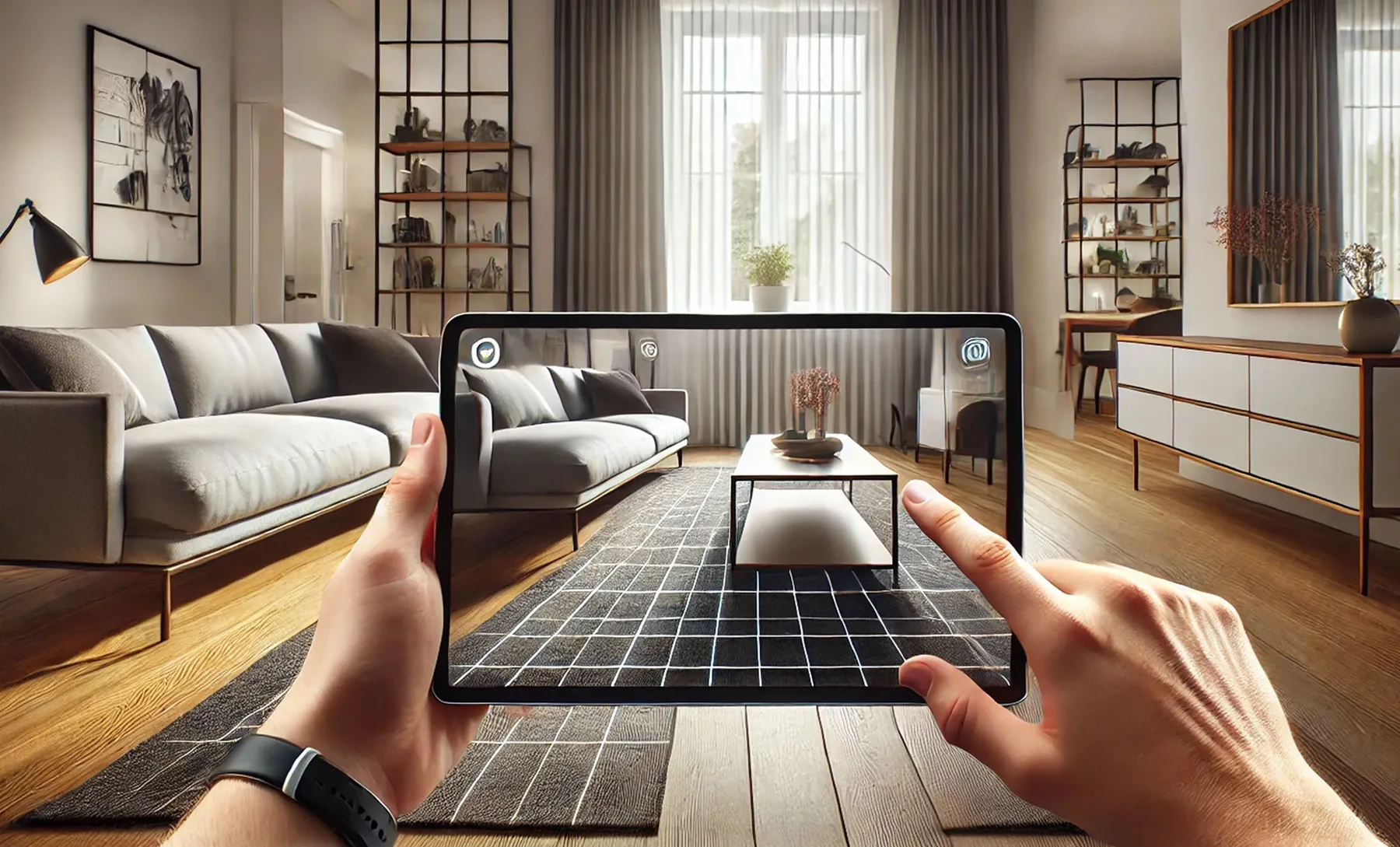
Web-based AR enables users to interact with their surroundings in real time. For example, a user can scan objects in their environment and layer digital information onto them, or engage directly with virtual objects placed in their physical space. This creates a compelling blend of real and digital that feels natural and intuitive.
Personalized Experiences
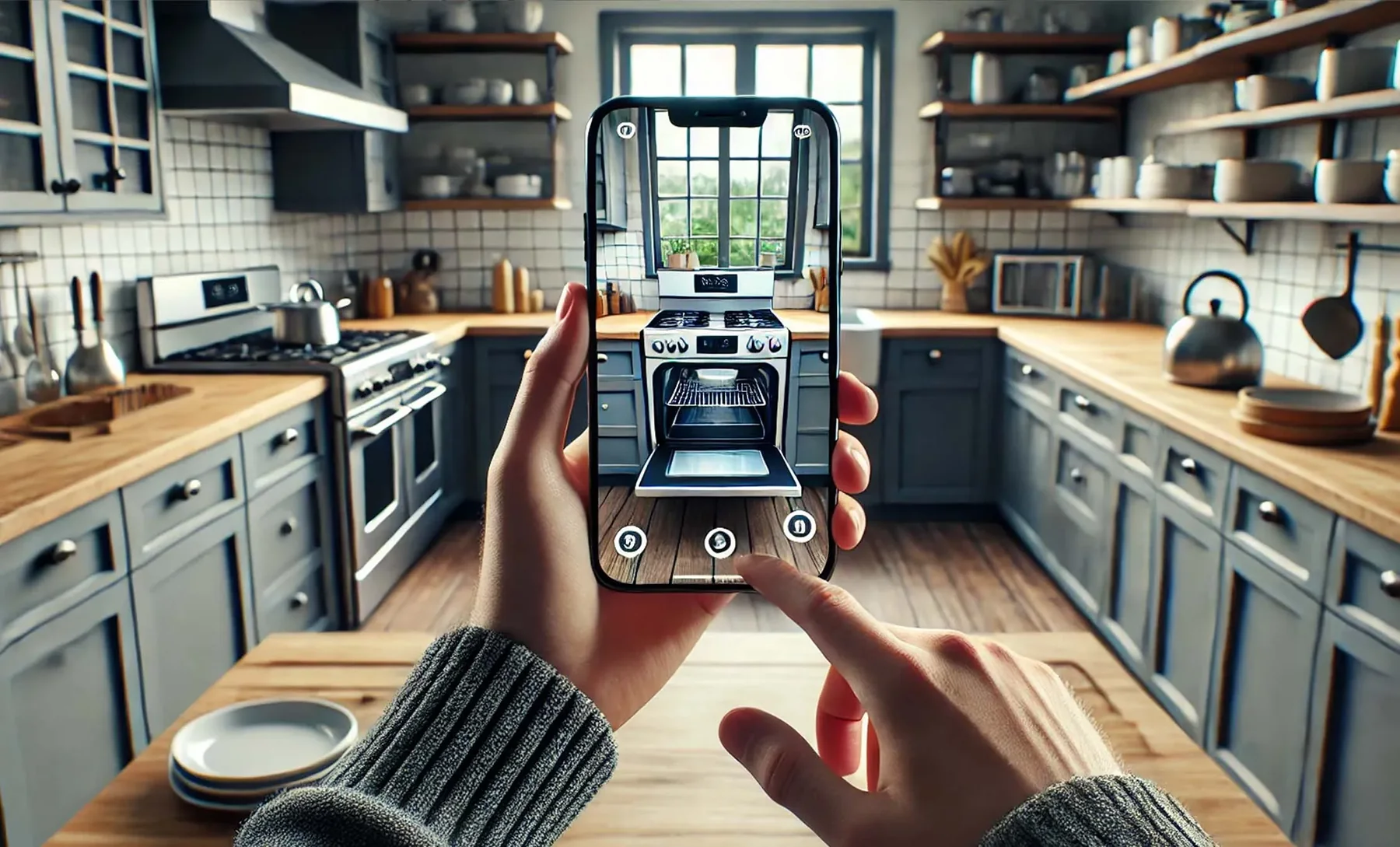
AR technology offers users highly personalized experiences. For instance, on an e-commerce website, customers can virtually try on products or place items in their own rooms, making the decision-making process more enjoyable and effective. Because WebAR runs in the browser, these personalized sessions can be launched from any touchpoint -- a product page deeplink, a marketing QR code, or even a chat message.
Education and Learning
AR is also revolutionizing the field of education and training. Web-based AR applications provide students with interactive and visually enriched learning materials, making the learning process more engaging and efficient. Educators can share deeplinks to AR lessons, and students can access immersive 3D models and simulations without installing any specialized software.
The New Dimension of Interactivity
Haptic Feedback
AR provides haptic feedback when users interact with virtual objects, making the experience feel more realistic and tangible. This sensory layer adds depth to WebAR encounters that purely visual interfaces cannot achieve.
Social Interaction
Users can interact with each other through AR applications, share their experiences, and collaborate on joint projects. Web-based AR makes this especially accessible, as sharing an experience is as simple as sending a link -- no app installation required on either end.
Content Creation
Users can create and share their own content using AR technology. This drives user engagement and helps build communities around shared AR experiences, fostering creativity and collaboration at scale.
What Does the Future Hold?
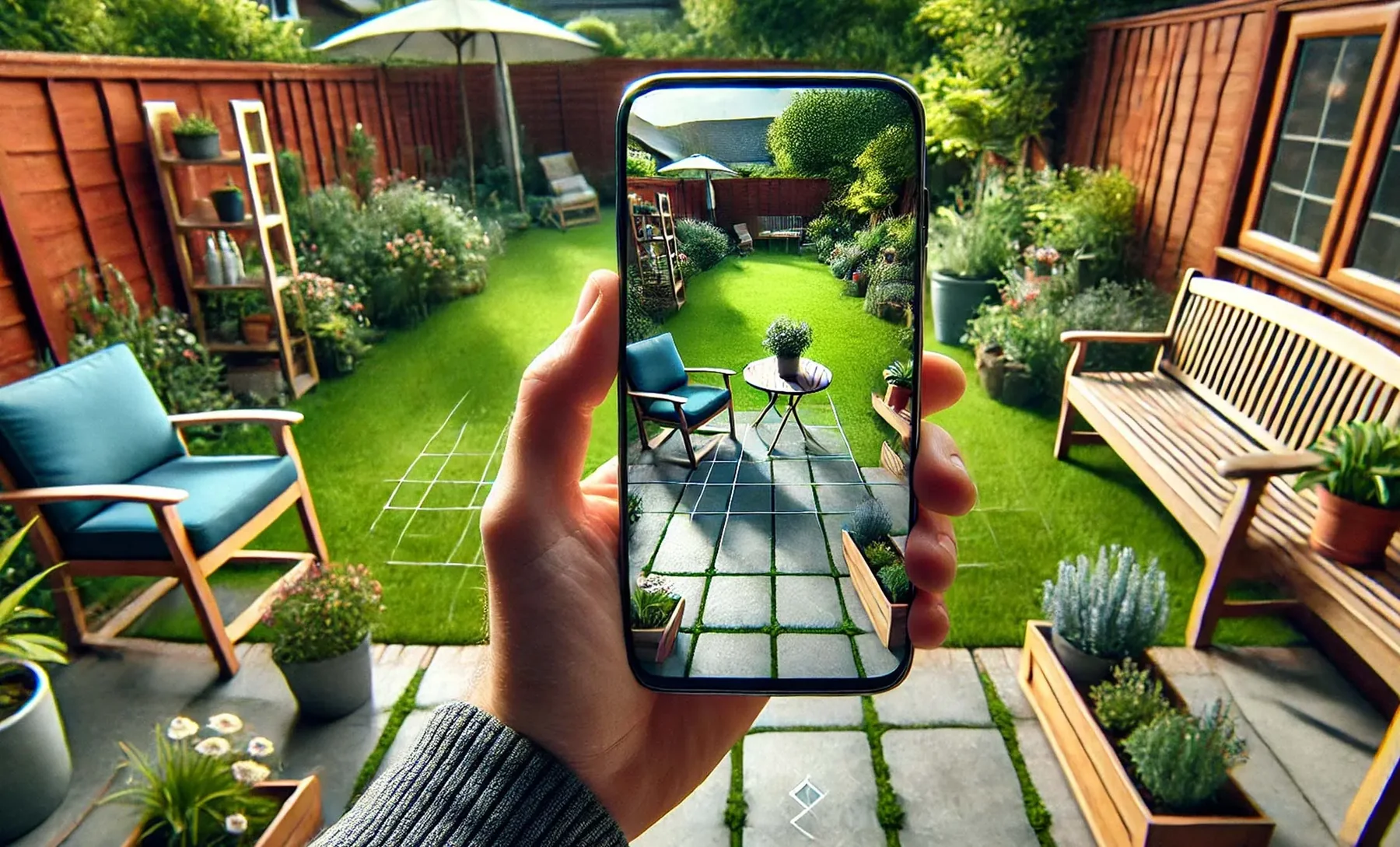
Web-based AR technology is a continuously evolving field that will become even more integrated and widespread in the future. Advancing hardware and software infrastructures will further enrich AR experiences and deepen users' interactions with the digital world. The adoption of AR in sectors such as e-commerce, education, healthcare, and entertainment will continue to unlock even greater potential for this transformative technology.
As browsers become more capable and 5G connectivity spreads globally, WebAR experiences will become richer, faster, and more responsive. The combination of deeplinks, QR codes, and browser-native AR will make it possible for any brand, retailer, or educator to deliver immersive experiences without the overhead of native app development. This democratization of AR is set to reshape how we shop, learn, and interact with the world around us.
Brands Using Augmented Reality (AR)
Leading brands such as Karaca, Bosch, Nacar, and Teknosa have partnered with BASE BROS to usher in a new era of shopping experiences. Hundreds of products equipped with augmented reality (AR) technology are now available on these brands' websites as interactive 3D-AR models. Customers can use AR to virtually examine how products will look in the real world, enjoying a more interactive and engaging shopping journey. This innovative approach empowers customers to make more informed purchasing decisions and significantly boosts overall satisfaction.
Bosch - "MUM Serie2 Kitchen Machine"
https://ar.bosch-home.com.tr/mum2.html
Nacar - "3D-AR Studio"
https://www.nacar.com.tr/siyah-hakiki-deri-erkek-kol-saati-0-1-1355
Karaca - "Small Home Appliances - Kitchen"
https://www.karaca.com/karaca-3d-goruntuleme-secenegi-olan-urunler
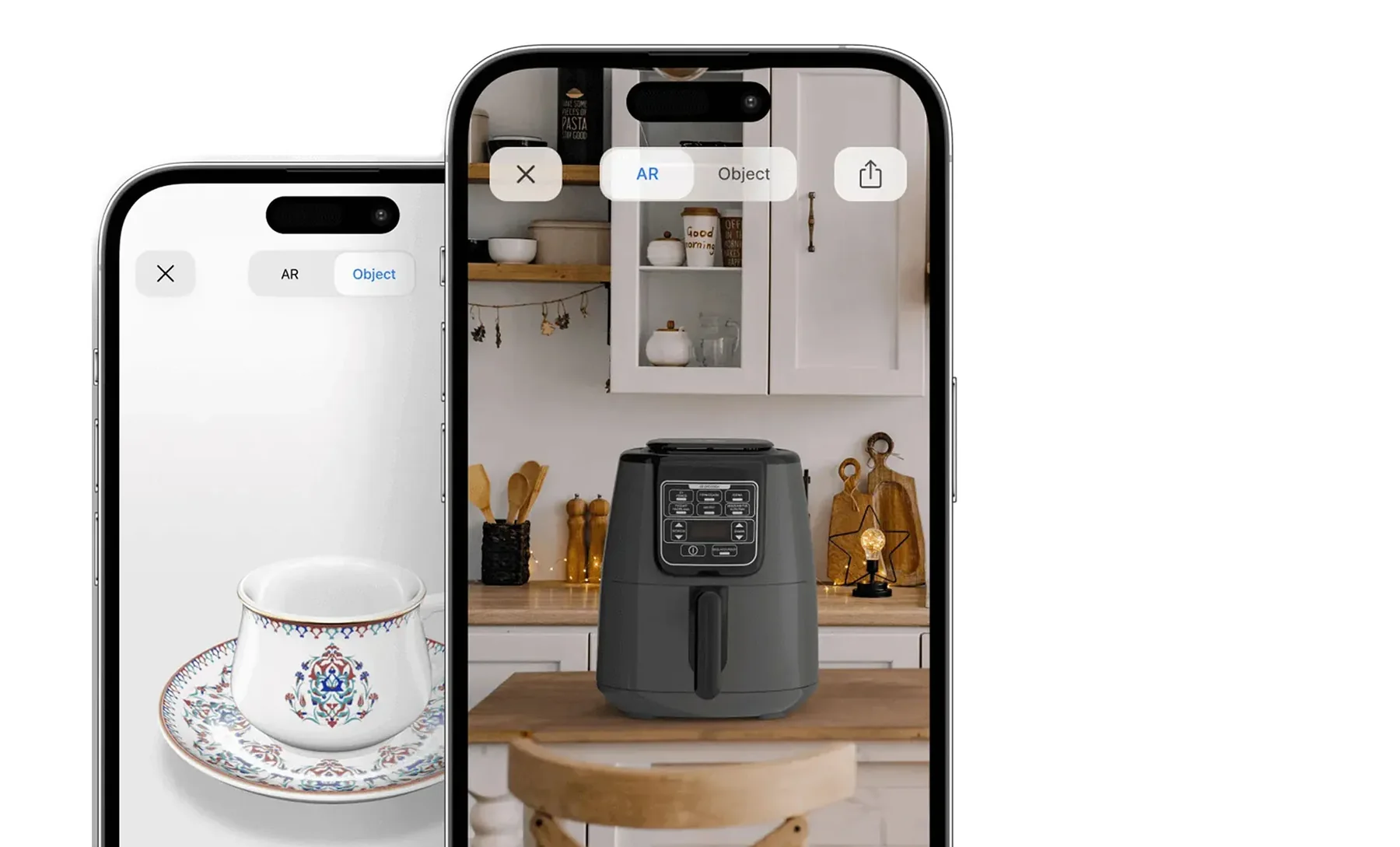
To explore more augmented reality (AR) projects, visit the showcase section on our website!
https://www.basebros.com/showcase.html