The History of Augmented Reality: From Origins to Today
What Is Augmented Reality?
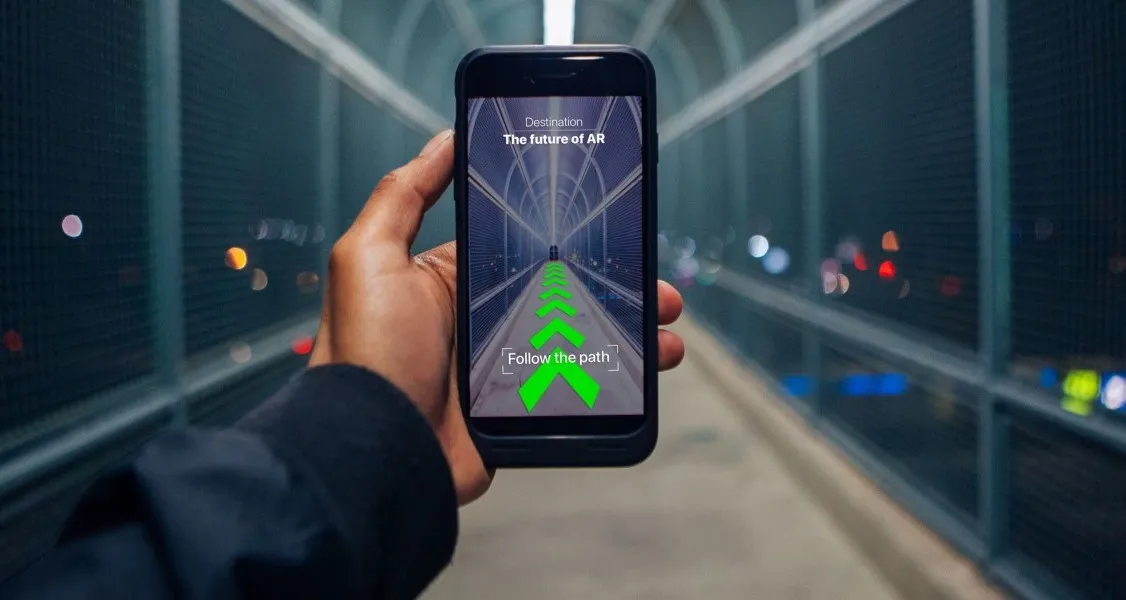
Augmented reality (AR) is a concept in which computer-generated digital elements -- such as sound, images, animations, and holograms -- are overlaid onto the real-world environment in real time through digital devices like smartphones, tablets, and AR headsets, creating an entirely new layer of perception. Thanks to this enriched environment, objects that could never physically exist in the real world can be placed virtually. In other words, AR technology merges real and virtual elements within a physical setting, enabling interactive experiences.
Augmented reality technology is used across a wide range of industries, including marketing, real estate, device installation, interior design, tourism, education, engineering, retail, logistics, museums and the arts, cinema, and healthcare.
A Brief History of Augmented Reality
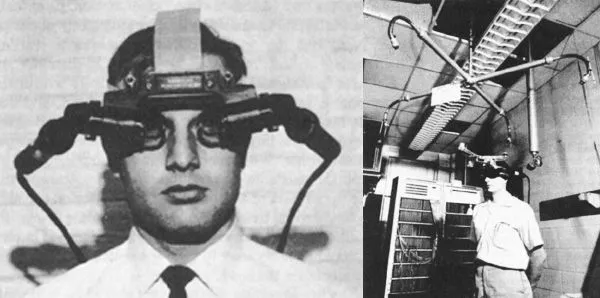
The earliest examples of augmented reality emerged in the 1960s, created by computer graphics pioneer Ivan Sutherland along with his students at Harvard University and the University of Utah. Sutherland and his students developed a head-mounted display to render 3D graphics, laying the groundwork for what would become AR technology.
Throughout the 1970s and 1980s, research continued at institutions such as the United States Air Force's Armstrong Laboratory, NASA's Ames Research Center, the Massachusetts Institute of Technology (MIT), and the University of North Carolina at Chapel Hill. Meanwhile, in 1979, Sony introduced the Walkman along with digital watches and mobile devices. By the 1990s, the shrinking size of personal computers paved the way for wearable computing technology. In the early 1990s, a GPS-based outdoor navigation system was developed to assist visually impaired individuals. Shortly thereafter, the physical dimensions of processors and tracking devices began to shrink significantly.
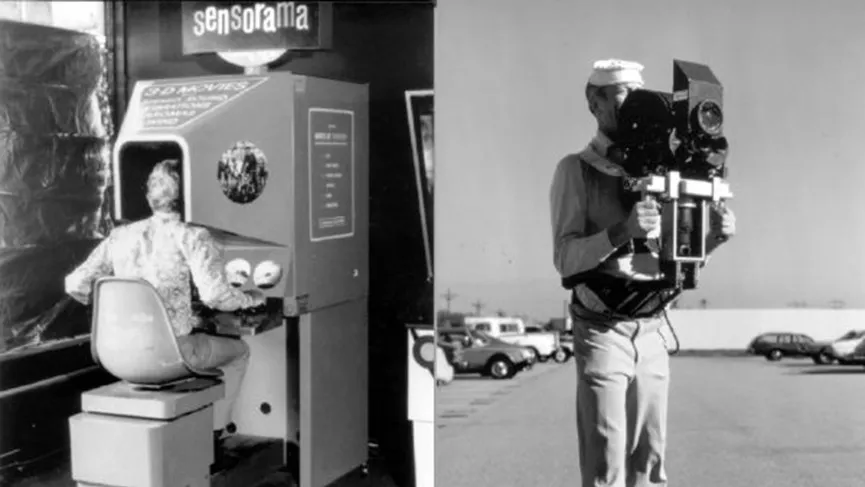
As a result, augmented reality technology became a distinguished field of research by the late 1990s. International workshops, conferences, and symposiums dedicated to augmented reality began to take shape during this period.
This historical journey of augmented reality technology has ultimately driven the development of numerous mobile platforms we use today, including personal digital assistants, tablet computers, and smartphones. What started as an experimental concept in university labs has grown into a transformative technology that continues to reshape how we interact with the world around us.