How Augmented Reality is Transforming Classrooms
The Shift Toward Technology-Driven Classrooms
When we look at modern educational practices around the world, it is clear that remote and hybrid learning models have become increasingly widespread. The rapid spread of COVID-19 forced countries everywhere, including many that had never relied on distance learning before, to adopt remote education methods almost overnight. As a result, traditional teaching approaches that had been the standard for decades began giving way to new, technology-driven alternatives.
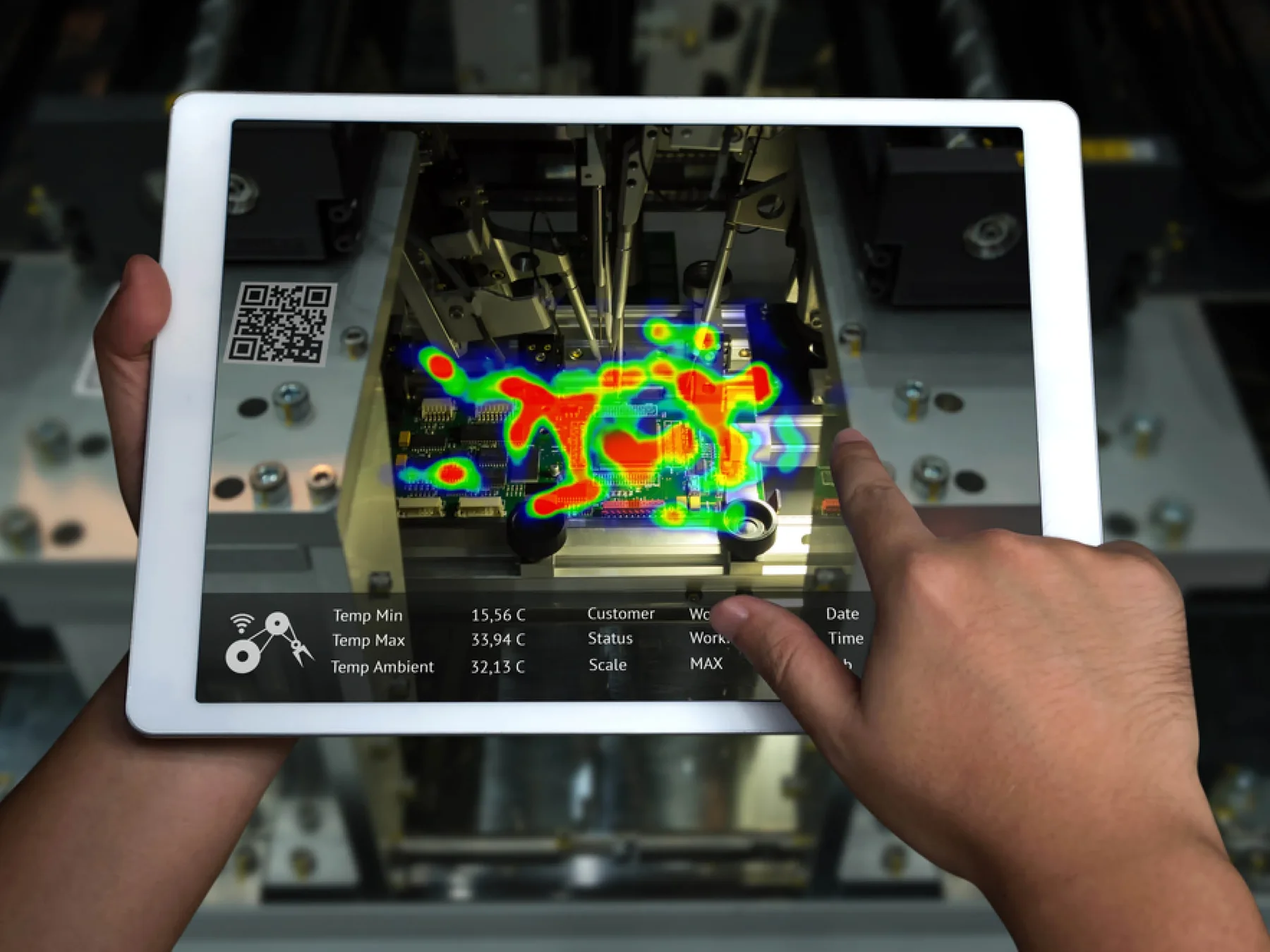
This shift created an urgent need for tools that could bridge the gap between physical and digital classrooms. Advances in technology have made these tools more accessible than ever. In particular, augmented reality (AR) has stepped in to fill a critical void in education, providing the kind of immersive, interactive experiences that were previously impossible in a remote or hybrid setting. As a result, AR in the classroom has become a topic of growing importance for educators, administrators, and edtech developers alike.
Simplifying Complex Subjects with AR Teacher Tools
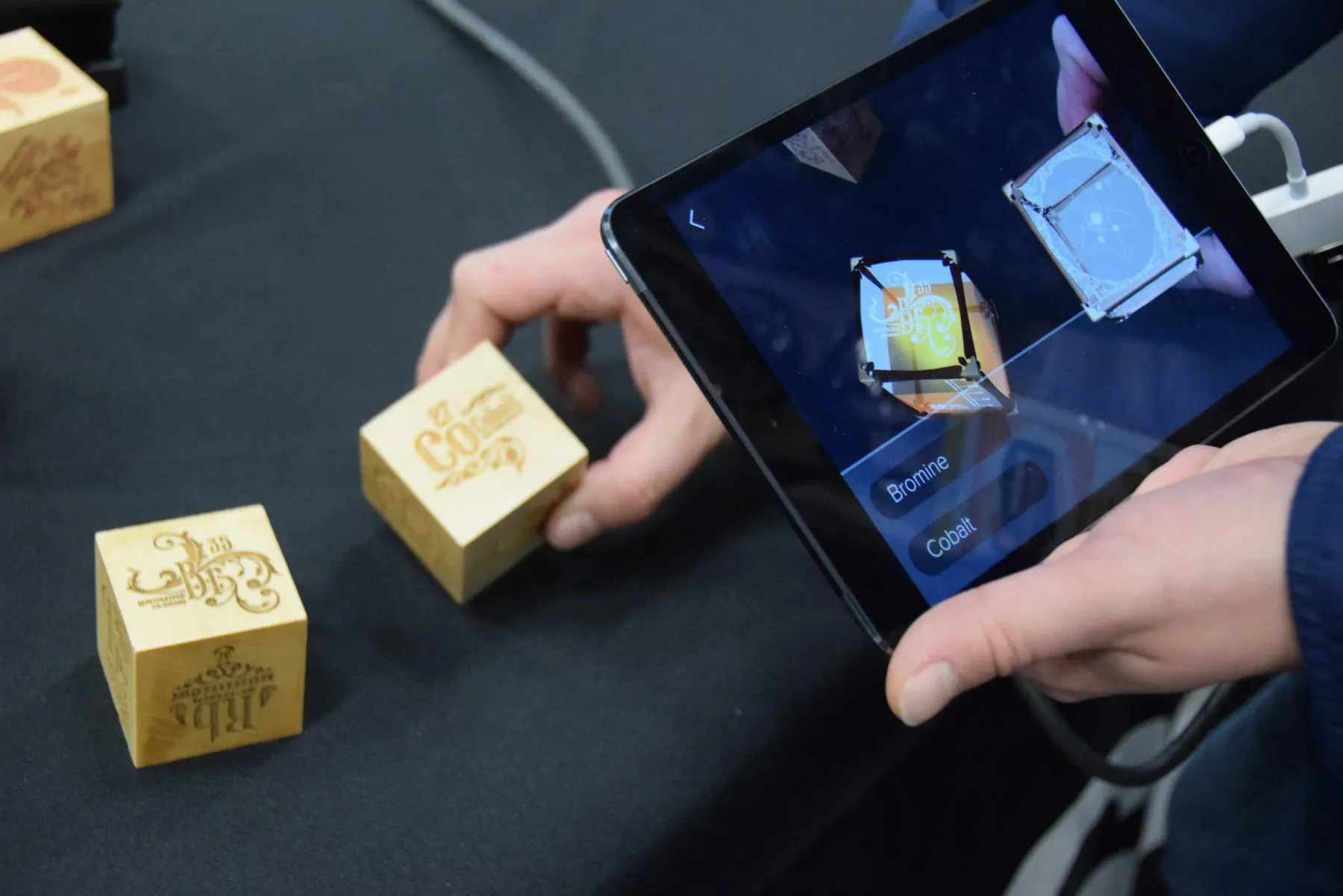
One of the most powerful benefits of augmented reality in education is its ability to simplify content that students find complex or abstract. Through AR-enabled devices and applications, teachers can transform dense lesson material into visual, interactive experiences that are far easier to grasp.
Consider a history class as an example. When a teacher describes events, timelines, and locations verbally, students may struggle to keep track of everything. But with AR or VR technology integrated into the lesson, students can virtually witness historical events unfold before their eyes, experiencing the narrative as though they were actually there. This kind of immersive learning helps students absorb and retain information far more effectively than traditional lectures alone.
Turning Abstract Concepts into Tangible Experiences
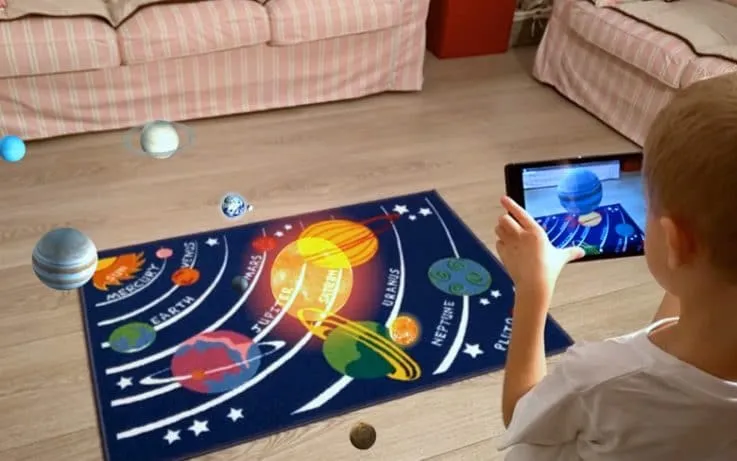
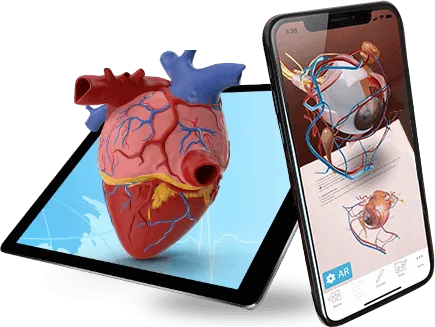
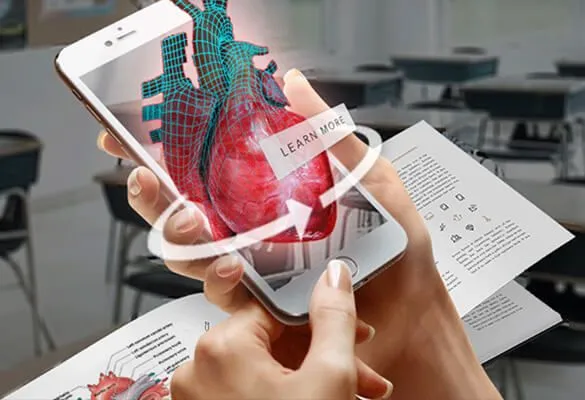
The use of augmented reality in the classroom also makes it possible to turn abstract concepts into concrete, tangible experiences. Whether the subject is molecular biology, planetary systems, or architectural design, AR allows students to interact with 3D models and simulations that bring theoretical ideas to life.
As the connection between lesson content and the real world becomes more visible, the quality and effectiveness of the education students receive increases significantly. Teachers who adopt AR tools report that students show higher levels of comprehension and are better able to relate what they learn in class to practical, real-world applications.
Boosting Student Engagement and Learning Quality
Augmented reality technology inherently offers a sense of freedom and personalization that resonates with students. Each learner can explore content at their own pace, rotate 3D objects, zoom into details, and interact with virtual elements in ways that feel tailored to them. This personal dimension not only enriches the learning experience but also makes studying more enjoyable and engaging.
When students are actively involved in their learning rather than passively listening, retention rates climb and motivation stays high. AR transforms the classroom from a one-directional lecture environment into a dynamic, participatory space where curiosity drives discovery.
The Road Ahead: AR as a Classroom Standard
Ultimately, augmented reality in education matters because it creates an immersive sense of presence, no matter the subject or setting. It delivers realistic motivation, pushes concentration to its peak, and makes learners feel as though they are truly living the material rather than merely reading about it.
As AR technology continues to mature and become more affordable, its broader adoption in classrooms worldwide will not only improve educational outcomes and efficiency but also contribute to global progress in how we teach and learn. The classroom of the future is not a distant concept; it is already taking shape through the power of augmented reality.