Augmented Reality Use Cases Across Industries
What Is Augmented Reality?
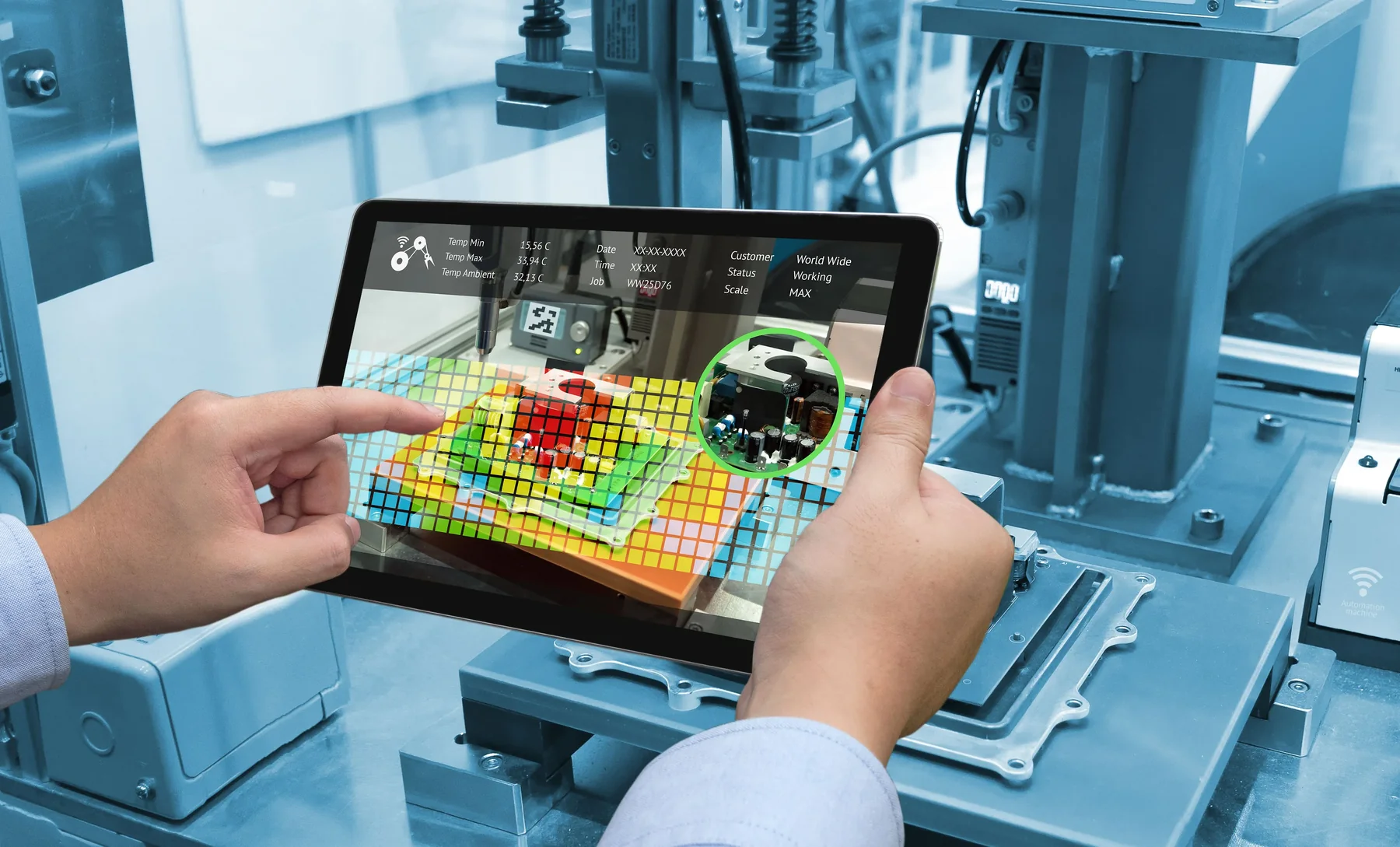
Augmented reality, commonly known as AR, has become one of the most popular and widely recognized concepts in technology today. AR technology can be defined as a system that enriches our existing reality, fundamentally changing the way users perceive and interact with their surroundings. By blending the real and virtual worlds into a seamless experience, AR technology continues to make its way into virtually every aspect of our daily lives.
As AR adoption accelerates, its use cases are expanding across a remarkable range of industries. From marketing and retail to healthcare and education, augmented reality is proving to be far more than a novelty -- it is a transformative tool reshaping how businesses operate and how consumers engage with products and services.
AR Use Cases Across Industries
Augmented reality technology has been embraced and invested in by companies across numerous sectors. The growing preference for AR has led to the development of increasingly diverse applications built on top of the technology. As these applications have matured, adoption rates have risen accordingly, with many brands now setting their sights on delivering more realistic and immersive experiences to their customers.
Through augmented reality, the virtual and real worlds converge, allowing users to gain unique, one-of-a-kind experiences. The industries and fields that host these experiences span a wide spectrum, including:
- Marketing and Advertising: Brands use AR to create interactive campaigns, product demonstrations, and immersive advertisements that capture consumer attention far more effectively than traditional media.
- Real Estate: AR enables virtual property tours and 3D floor plan visualizations, allowing prospective buyers to explore spaces remotely and envision renovations before committing to a purchase.
- Device Installation, Repair, and Maintenance: Technicians can overlay step-by-step instructions onto physical equipment, reducing errors and speeding up complex repair and assembly processes.
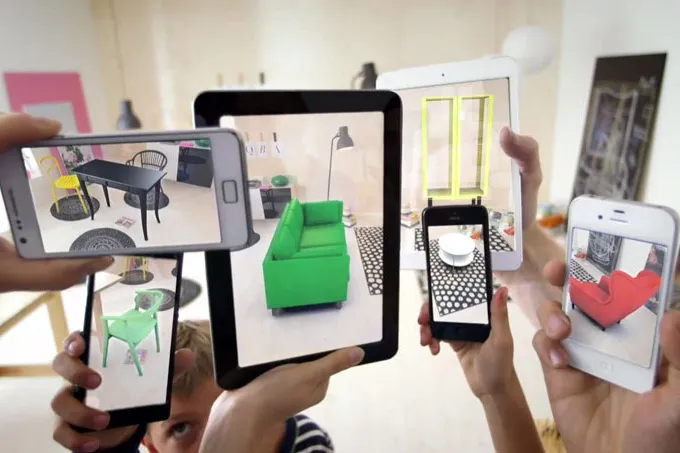
- Interior Design and Decoration: AR apps let users place virtual furniture and decor items in their actual living spaces, making it easy to experiment with layouts and styles before buying.
- Tourism: Travelers can point their devices at landmarks and historical sites to access interactive guides, contextual information, and immersive reconstructions of historical scenes.
- Education: AR brings textbooks and lessons to life with 3D models, interactive simulations, and virtual lab experiments, making learning more engaging and accessible for students of all ages.
- Retail and Shopping: From virtual try-ons for clothing and accessories to in-store navigation and product information overlays, AR is redefining the shopping experience both online and offline.
- Logistics and Warehousing: AR-powered smart glasses and overlays help warehouse workers locate items faster, optimize picking routes, and reduce fulfillment errors.
- Museums and Art: Cultural institutions use AR to add interactive layers to exhibits, allowing visitors to explore artworks in greater depth or see restored versions of ancient artifacts.
- Gaming and Entertainment: AR gaming experiences like Pokemon GO have demonstrated the massive potential of blending digital content with the physical world for entertainment purposes.
- E-Commerce: Online retailers leverage AR to let customers visualize products in their own environment before purchasing, significantly reducing return rates and boosting buyer confidence.
- Construction: AR assists architects and construction teams by overlaying building plans onto real-world sites, enabling real-time progress tracking and clash detection.
- Film and Cinema: The entertainment industry uses AR for immersive promotional experiences, interactive movie posters, and enhanced behind-the-scenes content.
- Healthcare: From surgical planning and medical training simulations to patient education and rehabilitation exercises, AR is making healthcare more precise and accessible.
Real-World Examples of AR in Action
There are numerous real-world experiences built on augmented reality technology. Notable examples include IKEA, Wayfair, Sephora, Blippar, and Aurasma, among many others. Each of these companies has leveraged AR in unique ways to enhance customer engagement and deliver value.
One of the most noteworthy examples is the Aurasma platform, which is powered by advanced image recognition technology. Aurasma, developed as HP Autonomy's augmented reality platform, allows individuals and organizations to create and share their own AR experiences. The application is available as a free download for both iOS and Android mobile devices, making AR creation accessible to a broad audience.
The Future of AR Across Industries
As augmented reality technology continues to mature, we can expect its presence across industries to deepen even further. With advancements in hardware -- from lightweight AR glasses to more powerful mobile processors -- and software frameworks like WebAR that eliminate the need for dedicated apps, the barriers to AR adoption are rapidly falling.
Businesses that invest in AR today are positioning themselves at the forefront of a technological revolution that will fundamentally change how we work, learn, shop, and interact with the world around us. Whether you are in retail, healthcare, education, or any other field, exploring augmented reality use cases is no longer optional -- it is essential for staying competitive in an increasingly digital landscape.